
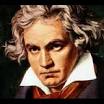
Listening to Piano Concerto No. 5 "emperor" by Ludwig Van Beethoven
Piano Concerto No. 5 "emperor"- Album Overview
Ludwig van Beethoven's Piano Concerto No. 5 in E-flat major, Op. 73, commonly known as the "Emperor" Concerto, was completed in 1809 and stands as one of his most celebrated works. The concerto was composed during a tumultuous period in Beethoven's life, marked by increasing deafness and personal struggles. The piece was first performed in 1811 in Leipzig, with Beethoven himself as the soloist. Since then, it has been released by numerous record labels, including Deutsche Grammophon, Decca, and EMI, featuring various renowned orchestras and pianists. The "Emperor" Concerto is notable for its grand scale and innovative structure, departing from the traditional three-movement concerto form to a more expansive four-movement layout. The first movement, marked Allegro, is particularly famous for its heroic character and virtuosic demands on the pianist. The second movement, Adagio un poco mosso, features a lyrical beauty that contrasts with the dynamic energy of the opening. The final Rondo is a jubilant and triumphant conclusion, showcasing Beethoven's mastery of orchestral color and piano technique. Musically, the "Emperor" Concerto reflects the transition from the Classical to the Romantic era, embodying the spirit of individualism and emotional depth that would define later compositions. Its cultural significance is profound, influencing countless composers and remaining a staple in the concert repertoire. The concerto is often associated with themes of heroism and triumph, resonating with audiences across generations. Over the years, it has been recorded by legendary pianists such as Artur Rubinstein, Alfred Brendel, and Maurizio Pollini, each bringing their own interpretation to this timeless masterpiece.
Review
The "Emperor" Concerto is a breathtaking fusion of technical brilliance and profound emotional depth. From the very first notes of the opening Allegro, listeners are immediately drawn into a world of grandeur and excitement. The orchestration is lush, with the piano emerging as a powerful voice amid the vibrant textures created by the orchestra. The interplay between soloist and ensemble is masterfully crafted, showcasing Beethoven's ability to weave intricate dialogues that elevate the concerto beyond mere performance. Each movement brings its own distinct character, with the second movement's serene introspection offering a poignant contrast to the energetic first and final movements. The lyrical lines are beautifully juxtaposed with robust orchestral responses, creating a sense of dialogue that feels both intimate and expansive. Beethoven's innovative use of harmony and rhythm continually surprises, keeping the listener engaged throughout the entire work. The "Emperor" Concerto's artistic vision reflects Beethoven's personal struggles and triumphs, making it a deeply resonant piece. The emotional arc of the concerto—from the heroic struggle of the opening to the joyous conclusion—mirrors the human experience, making it timeless and universally relatable.
Highlights
- The grandeur and heroic nature of the first movement.
- The lyrical beauty and introspective quality of the second movement.
- The virtuosic piano passages that showcase Beethoven's innovative spirit.
Weak points
- Some may find the length of the concerto challenging for sustained attention.
- The complexity of the piece can overshadow its emotional simplicity for some listeners.
- Occasional orchestral imbalances in recordings may detract from the piano's prominence.
Overall evaluation
Ludwig van Beethoven's Piano Concerto No. 5 "Emperor" is a monumental work that encapsulates the essence of his genius. Its innovative structure, emotional depth, and technical brilliance make it a cornerstone of the classical piano repertoire. Whether experienced in a concert hall or through a recording, the "Emperor" Concerto continues to inspire and captivate audiences worldwide. Personal rating: 9/10
 1972Symphony No. 9